Dating, Relationships, Marriage and Sex in Nigeria (2026)
What Nigerians Reveal About Love in our Modern Society
Toyyib Uthman
Lead Analyst
Spend just five minutes on Nigerian X (formerly Twitter), TikTok or Instagram and you're almost guaranteed to stumble into one of the country's favourite debates. Who should pay on the first date? Is the talking stage becoming too long? Should a woman contribute financially in marriage? Is flirting in another person's DM cheating? Has marriage become too expensive? Is love still enough in this economy?
These conversations have become part of everyday Nigerian life. They're discussed in barber shops, church youth meetings, office lunch breaks, WhatsApp groups, podcast studios and even family gatherings. Everybody seems to have an opinion.
But beyond the noise on social media, what do ordinary Nigerians actually believe?
To find out, Opinyze surveyed 116 Nigerians, posing questions around dating, relationships, marriage, sex, cheating, money and modern romance. The respondents came from different regions, religions, age groups and relationship statuses, although the sample leaned young, educated and largely urban.
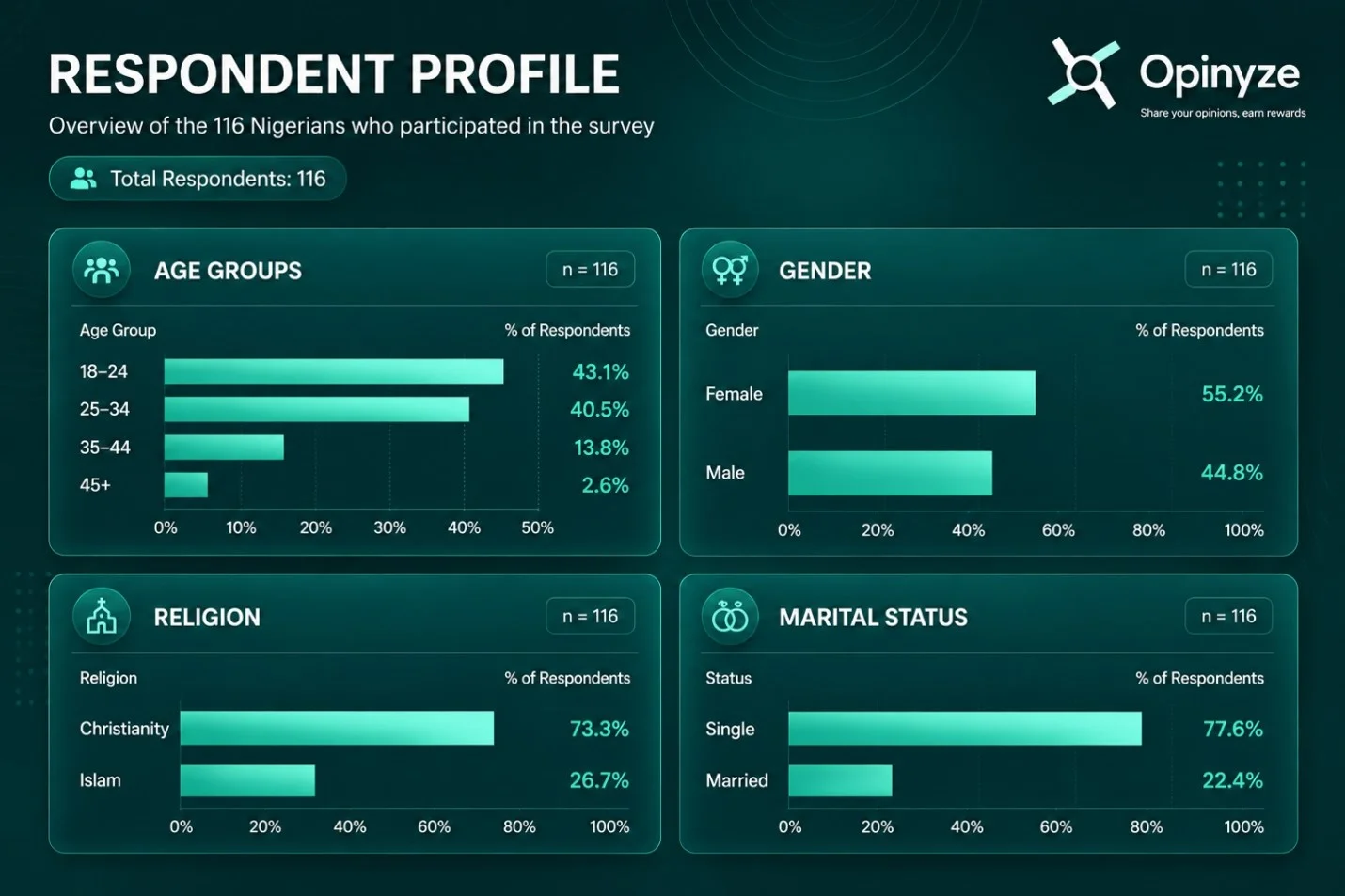
While the survey isn't nationally representative, it offers a revealing snapshot into how many Nigerians are navigating love in a rapidly changing society. As we sifted through the responses, one thing became immediately clear. Nigeria isn't abandoning its traditional values, neither is she holding onto them exactly as they have always existed. Instead, Nigerians appear to be negotiating between culture and modern reality, trying to balance what they inherited with the world they now live in.
Economic hardship is changing expectations. Social media is changing how people meet. Religion continues to shape decisions. Technology is influencing intimacy. Yet underneath all these changes, many Nigerians still want the same thing previous generations wanted: a stable, committed relationship. The path to getting there, however, looks very different in 2026.
Love Has Moved Online; But Not Where Many People Think
Whenever online dating is mentioned, most people immediately think of Tinder, Bumble or Hinge. That's understandable because those apps dominate conversations globally. Nigeria, however, appears to be telling a different story. Our survey found that “WhatsApp, not Tinder” is the country's biggest dating platform.
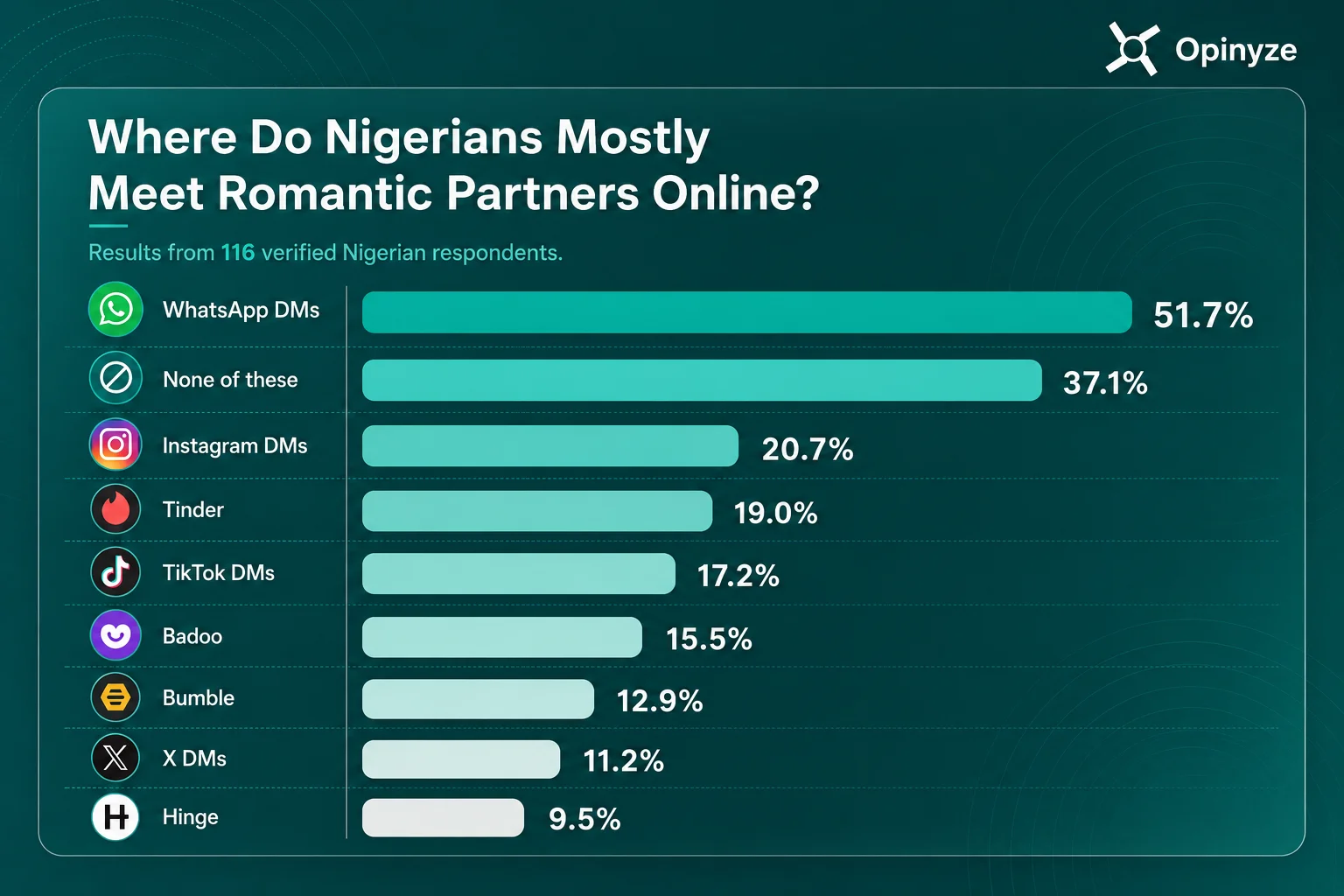
More than half of respondents said they had used WhatsApp to flirt, connect or maintain romantic conversations within the last year. Instagram came a distant second, while Tinder attracted less than one in five respondents.
At first glance, the finding might sound surprising. But when you think about how Nigerians build relationships, it makes perfect sense. Unlike many Western countries where strangers often meet directly through dating apps, Nigerian relationships frequently begin elsewhere, at work, in church, at school, through mutual friends or via social media. Once initial contact has been established, the conversation almost always migrates to WhatsApp. In Nigeria, asking for someone's WhatsApp number is often the real beginning of courtship.
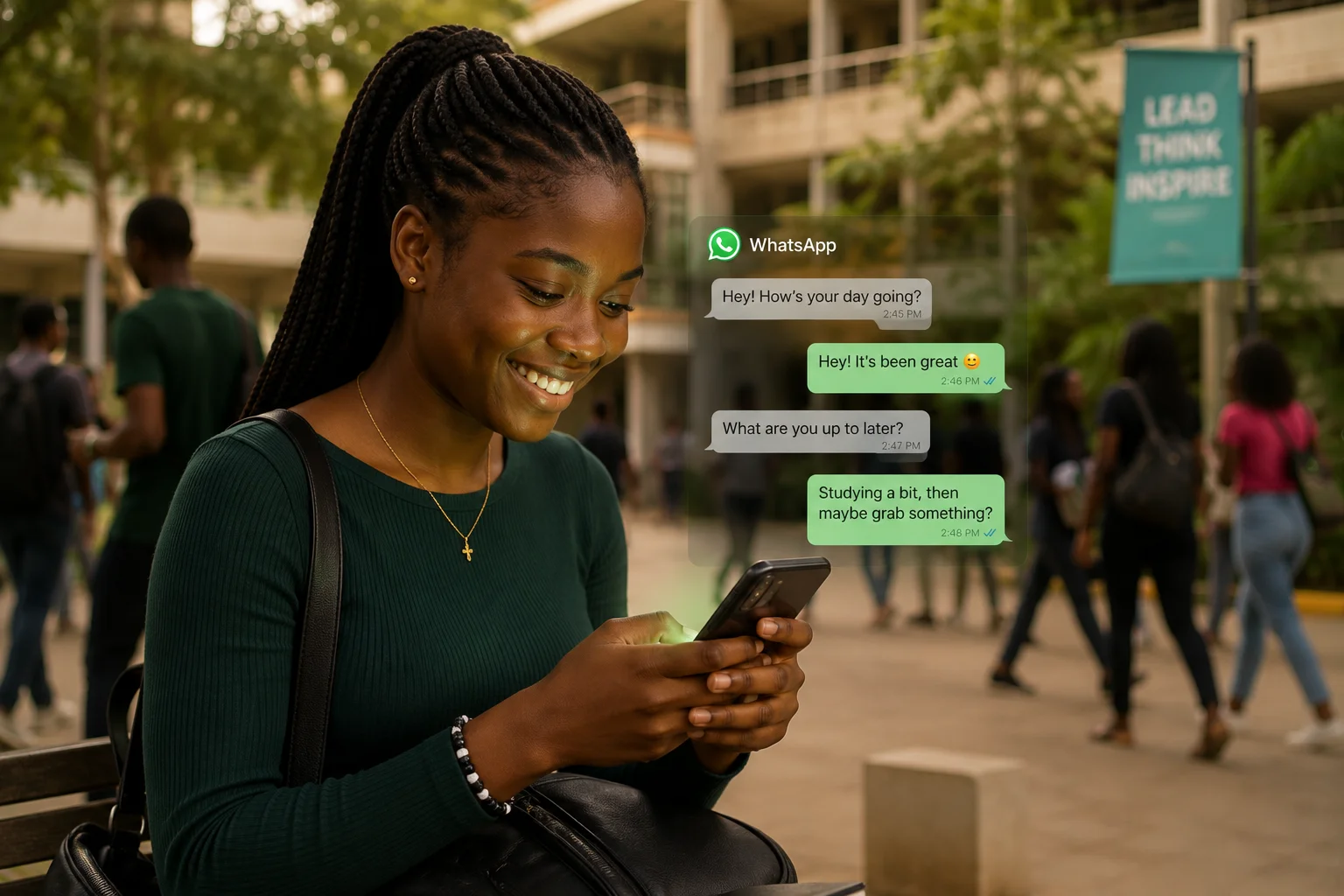
Perhaps even more interesting was another finding: over one-third of respondents said they hadn't used any of the listed digital platforms for dating at all. That reminds us that despite the rise of technology, many Nigerians are still finding love through everyday physical interactions. School, workplaces and religious centres continue to outperform dedicated dating apps as places where relationships begin. Technology may have changed how people communicate. It hasn't completely replaced how they connect.
Nigerians Want the Talking Stage, But They Don't Want It Forever
Few relationship terms have become as popular in recent years as "talking stage." What used to be a brief period of getting to know someone has now evolved into a recognized phase of modern relationships. Nearly seven in every ten respondents believe the talking stage should last no more than three months, with the largest group settling on one to three months as the ideal timeframe. Only a small minority believed people should remain in that stage for more than six months. That finding says something important. Nigerians still appreciate taking time before entering a serious relationship, but they also want clarity.
Hygiene Has Become More Important Than Tribe
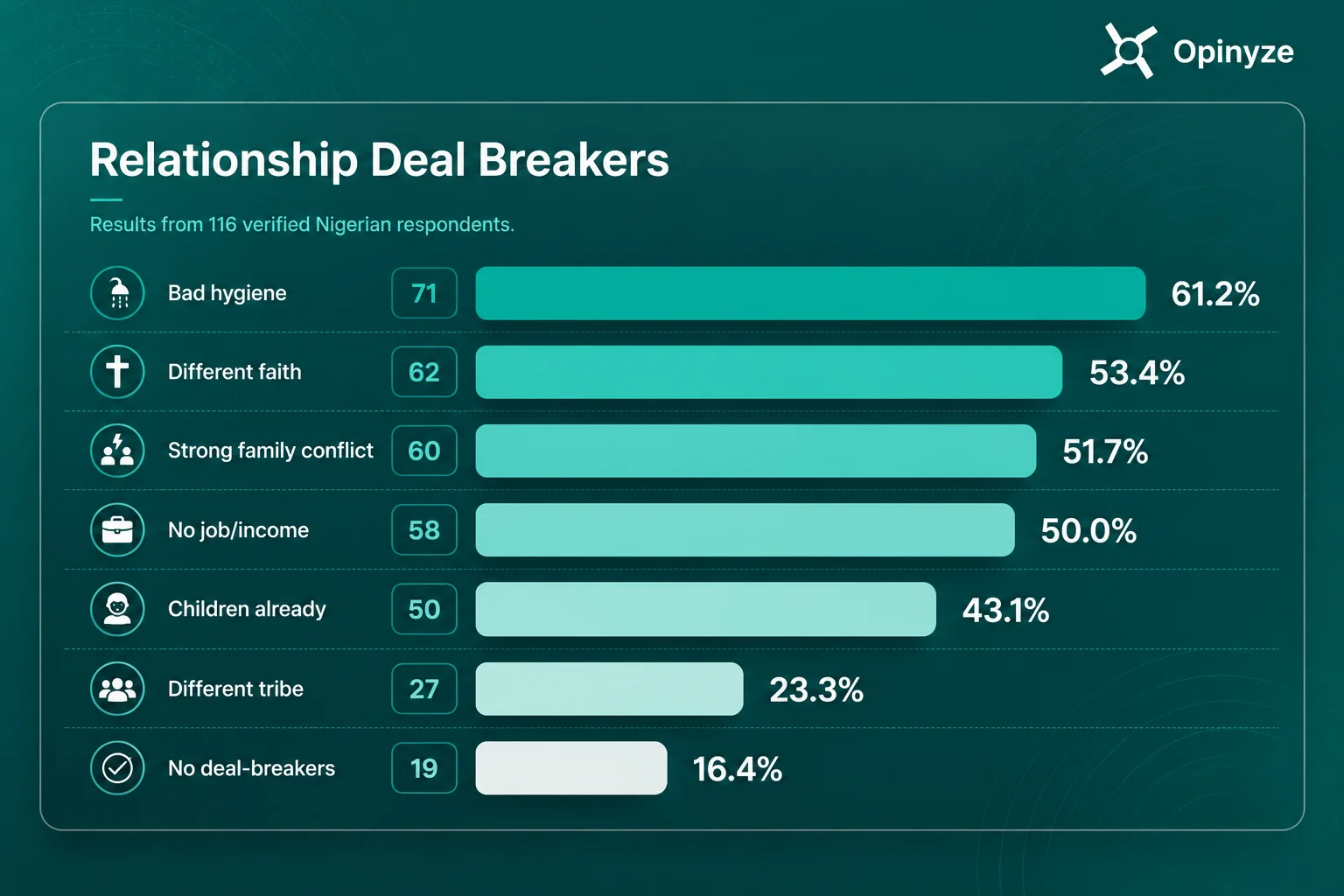
For decades, many assumed that tribe, ethnicity or religion would remain the biggest obstacles to relationships in Nigeria. Religion certainly remains influential, but one result caught us completely off guard. It wasn't tribe, nor income or educational qualification, it was bad hygiene. More respondents selected poor personal hygiene than any other relationship red flag.
As Nigerians become more exposed to different cultures, ethnicity may gradually be losing some of its influence in romantic decision-making. Religion, however, continues to hold its ground. Many respondents still considered differences in faith a major obstacle to long-term compatibility, suggesting that while tribe may be becoming less important, religious identity remains central to family life and marriage decisions. Nigerians are looking for relationships built on emotional compatibility, shared values, financial responsibility and everyday maturity. Romance hasn't disappeared; it's simply becoming more realistic.
Bride Price, Cheating and Sex: Where Tradition Meets Modern Reality
For years, conversations around marriage in Nigeria have followed familiar lines. Young people are said to be avoiding marriage. Bride price is becoming too expensive, families are placing enormous pressure on their children to settle down and traditional values are disappearing. The survey paints a more nuanced picture, Nigerians haven't rejected marriage, they are simply asking tougher questions before saying "I do."
Bride Price Isn't Being Rejected, It's Being Negotiated
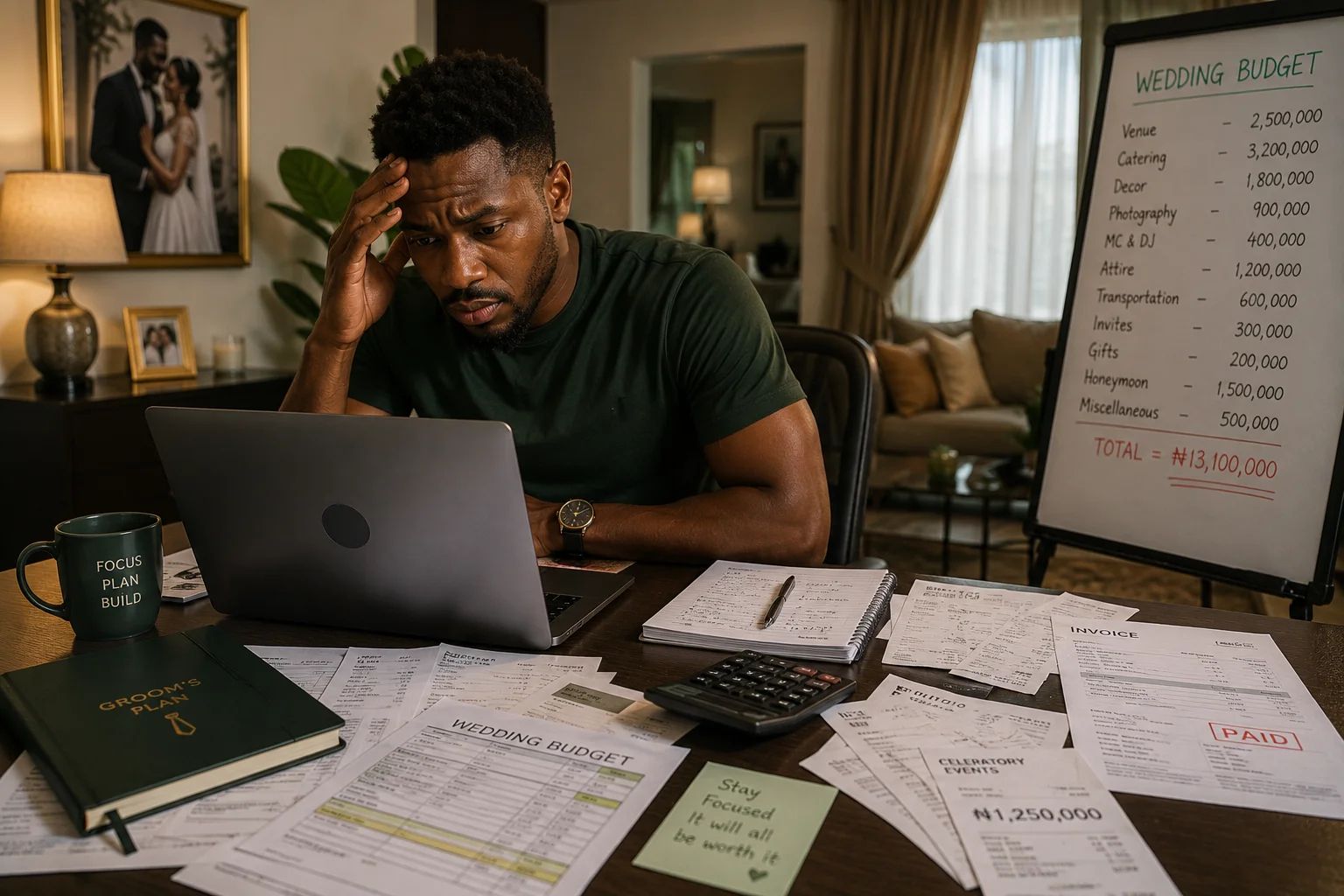
Depending on who you ask, it is either a beautiful cultural tradition or an expensive barrier keeping young people from marriage. Our survey suggests the reality lies somewhere between those two extremes.
Most respondents neither strongly supported nor strongly opposed bride price. Instead, they occupied the middle ground, seeing it as a tradition worth preserving but one that perhaps deserves rethinking. That finding alone wasn't particularly surprising, what surprised us was who supported it the most. Contrary to popular opinion, women in our survey viewed bride price more positively than men. Men were almost twice as likely to describe the practice as unfair. That result immediately raises an important question.
Why are the people expected to pay becoming the most skeptical?
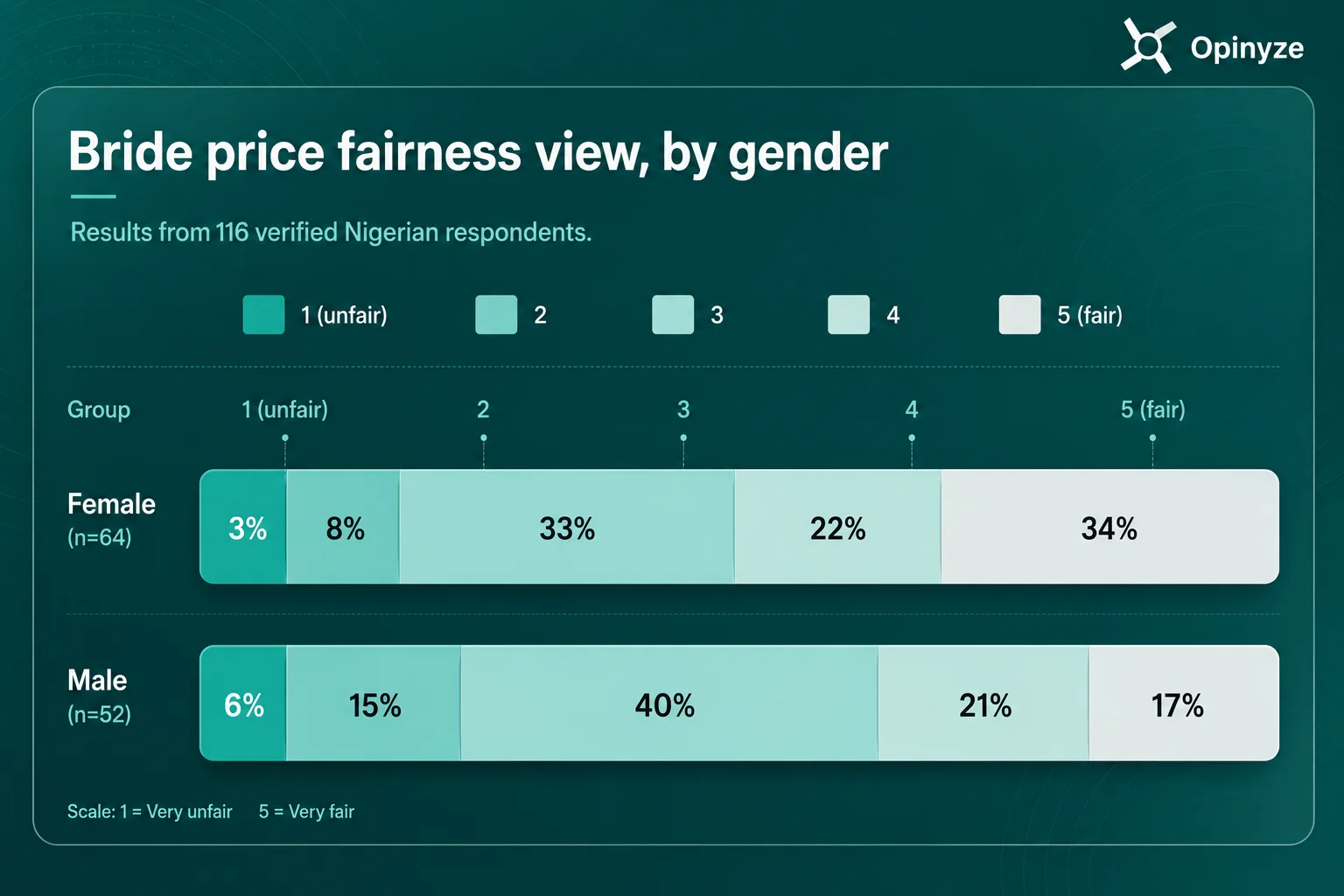
The answer may lie less in culture and more in economics. Getting married in Nigeria today is expensive. Beyond bride price itself, couples often contend with engagement ceremonies, traditional weddings, white weddings, accommodation, furniture, transportation, photography, aso-ebi expectations, and the pressure to host elaborate celebrations. For many young Nigerians already struggling with rent, rising food prices and stagnant salaries, marriage has gradually transformed into one of the biggest financial projects of adulthood.
Perhaps this explains why conversations about "low-budget weddings" have become increasingly common online. People aren't necessarily rejecting culture. They're asking whether culture can adapt to today's economic realities.
Nigerians Know Exactly What They Consider Cheating
If there is one area where Nigerians appear remarkably united, it is defining infidelity.
The overwhelming majority of respondents agreed that having sex with another person is cheating. But what caught our attention was how digital behaviour has now entered that definition. Around two-thirds of respondents believe sexting another person counts as cheating. Flirty direct messages, kissing someone else, all fall under cheating these days. Even emotional relationships without physical intimacy were considered betrayal by a significant majority. In other words, technology has expanded the boundaries of fidelity not weakened it.
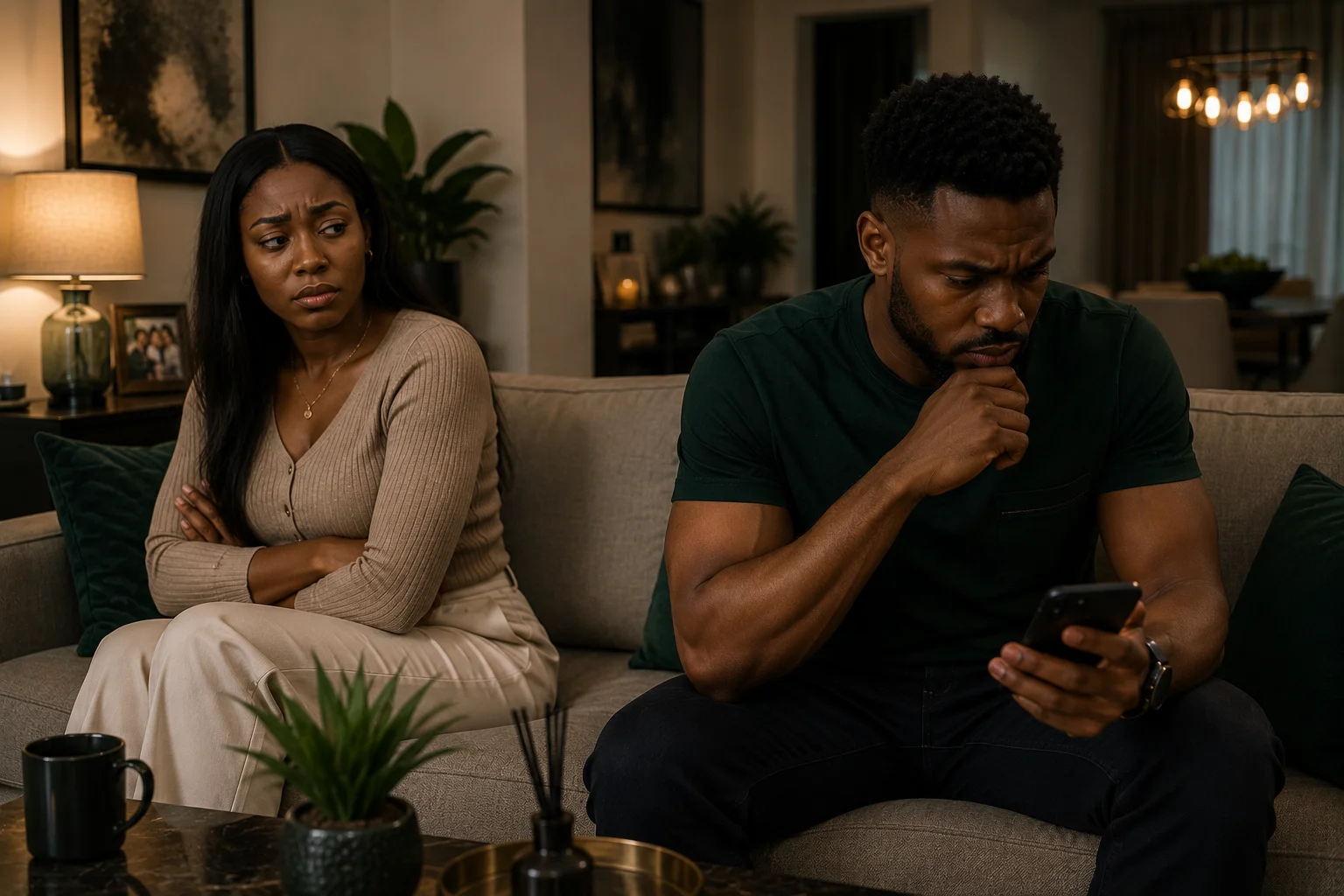
Years ago, cheating was largely associated with physical intimacy. Today, many Nigerians believe betrayal can happen through a smartphone screen. That shift reflects broader global conversations around emotional affairs, online intimacy and digital trust. As relationships increasingly exist online as much as offline, expectations around loyalty have naturally expanded.
Can Love Survive Infidelity?
If a consensus was reached in defining what cheating is, forgiveness produced the exact opposite. Only a small minority of respondents said they would forgive a partner outright after physical cheating. Nearly one-third insisted they never would. But the largest group chose what may be the most honest answer of all: "It depends."
Life is rarely black and white. People weigh circumstances, for instance the children involved, length of relationship, whether it happened once or repeatedly, whether genuine remorse exists, or if trust can realistically be rebuilt.
The most revealing discovery came when we compared responses across age groups. Respondents between 35 and 44 years old were significantly more willing to forgive than younger adults. Starting over at 22 is different from starting over at 42. Older couples often have children, mortgages, shared businesses or years of emotional investment tying their lives together. Walking away carries a different cost. Younger respondents, many of whom are still dating rather than married, may simply feel they have more freedom to leave unhealthy relationships. The findings don't suggest one generation loves more than another, rather, they highlight how life stage changes the way people think about commitment.
Nigerians Are Talking About Sex More Openly Than Before
Perhaps the quietest cultural shift revealed by the survey concerns intimacy.
Sex remains one of the most private topics in Nigerian society. Many people still avoid discussing it openly, especially across generations. Yet the responses tell a story of increasing openness. Among respondents currently in relationships, intimacy patterns varied considerably. Some reported weekly intimacy, others much more frequently, some much less.
Another finding stood out when asked who usually initiates intimacy, many respondents chose "both equally."
That answer may seem ordinary, but in reality, it signals a gradual shift in relationship dynamics. Traditional expectations often assumed men should always initiate intimacy. Today's younger couples appear increasingly comfortable describing intimacy as something shared rather than directed by one partner. It reflects a broader movement towards partnership instead of rigid gender roles.

The survey doesn't suggest Nigerians have become radically liberal overnight. Rather, it indicates that conversations once considered taboo are slowly becoming easier to have. People are talking more honestly about intimacy, expectations and relationship satisfaction than previous generations often did. And perhaps that's a healthy sign.
Healthy relationships rarely grow in silence, they grow through conversations people once avoided.
Money, Gender Roles and the Future of Love in Nigeria
If there was one finding that captured the realities of modern Nigerian relationships more than any other, it wasn't about dating apps or cheating; it was about money.
Living in Nigeria in 2026 means making financial decisions every day. Food prices continue to fluctuate. Rent has become a major burden in many cities. Transportation costs have increased. Salaries, for many people, haven't kept pace with inflation. It's almost impossible to separate love from economics anymore.
The Road Ahead
The next decade is likely to reshape Nigerian relationships even further.
Artificial intelligence will influence how people communicate.
Remote work may change where couples meet.
Economic conditions will continue affecting marriage decisions.
Social media will introduce new ideas about gender, intimacy and family.
Yet some things will probably remain unchanged.
People will still want trust.
They'll still want loyalty.
They'll still want respect.
And they'll still hope to build lives with people who genuinely understand them.

Behind this story
Explore the data yourself
Written by
Toyyib Uthman
Lead Analyst · Opinyze Research
Keep reading

Discussion (0)
Posting will ask you to sign in. Takes about 20 seconds, your draft is safe.
No comments yet. Be the first to share your take.